
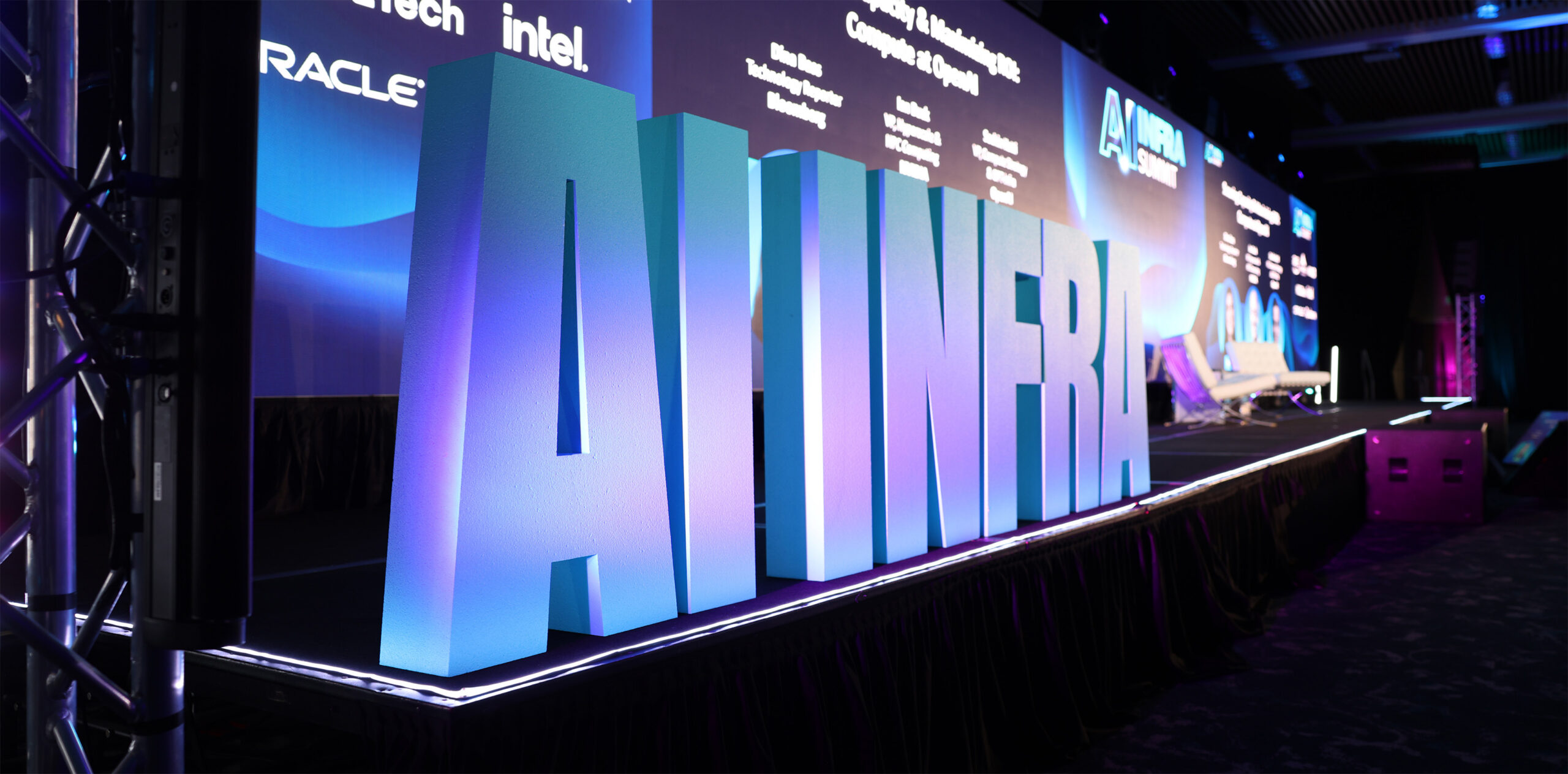
For those looking to make sense of the mad rush to advance artificial intelligence, the 2026 AI Infra Summit offered a thorough download on backend challenges to scaling the infrastructure hosting this industry. In the expo hall and presentation theaters, we collected perspectives from hyperscalers, component suppliers, developers, and grid operators.
On a sunny day in September, we headed over to the 2026 AI Infra Summit in Santa Clara, California to learn more about the systems and organizations powering AI’s proliferation. Buoyed by relatively low energy prices and a mature tech industry, Santa Clara was an especially relevant location as it’s now home to one of the densest concentrations of data centers in the U.S.
When we arrived at the convention center, the parking structure was full, and attendees were walking over from nearby business parks. Sponsors of the summit, including Intel, AMD, and NVIDIA, have headquarters a few miles away. Between sessions, we also met professionals flying in from Austin to Taipei. While many had decades of experience in their respective fields, most we spoke to said it was their first time at the conference.
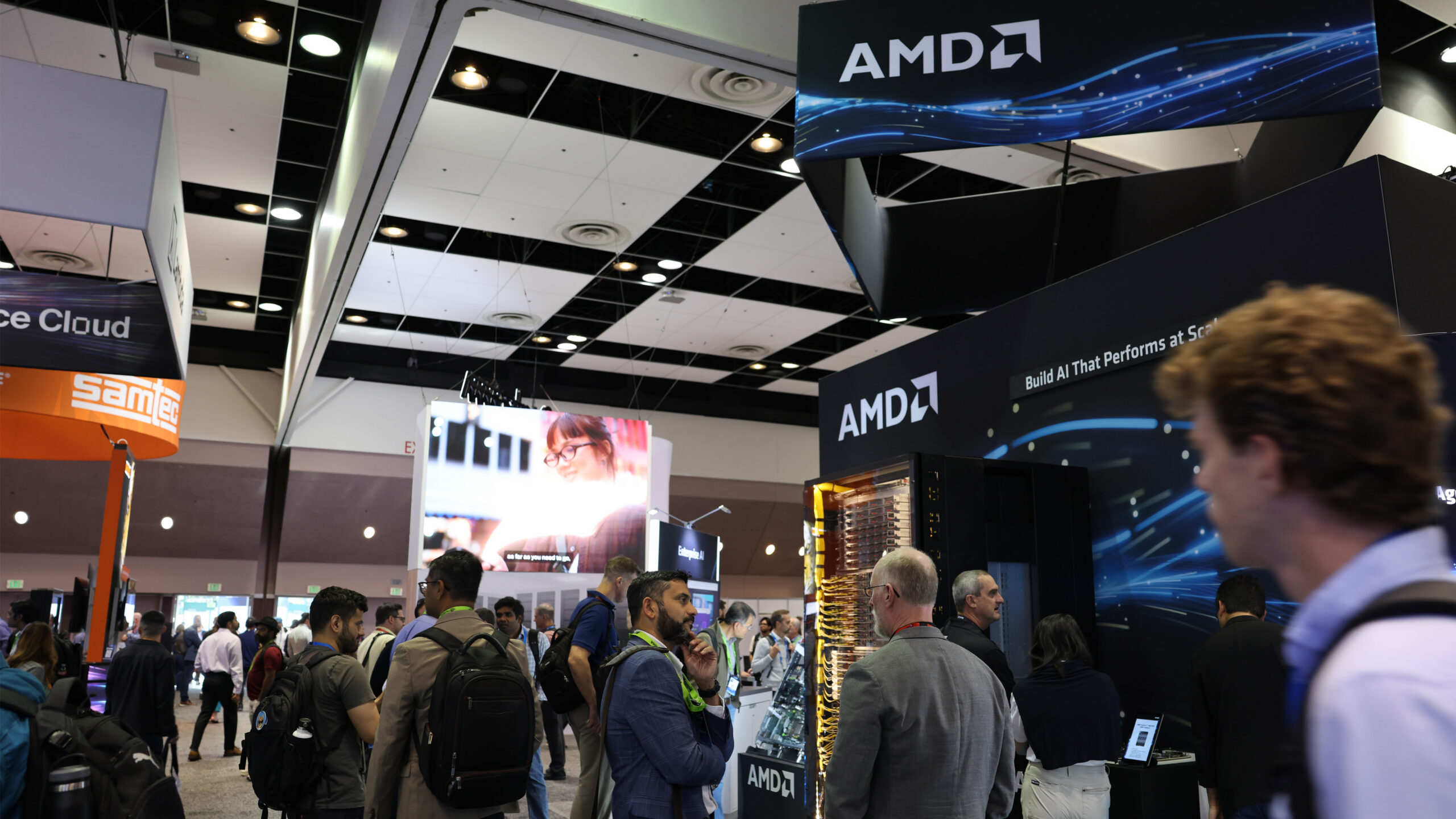
“I came to see what my customer’s customer is up to”, explained one man browsing the expo hall who worked in memory chip manufacturing. “Also to understand if we’re in a bubble.” Another attendee who worked for a leading equipment supplier in the semiconductor industry said he came to figure out what will eventually slow things down. “I’ve heard a lot about energy and utility capacity being the supply-side bottleneck down the line … we’re not seeing it impact demand for compute yet.”
While suppliers to hyperscalers keep snapping up CPUs, GPUs, and memory; it’s no secret that data center construction has run into a snag as of late. According to Data Center Watch, in the first two quarters of 2026, at least 120 projects representing nearly $200 billion in proposed investments were blocked or delayed.
In the summit’s AI Data Center theater, presentations and panel discussions addressed one of the biggest problems contributing to those delays: energy capacity.
Data Center Projects Are Energy Projects
After years of slowing load growth due to efficiency gains, demand for electricity in the U.S. is climbing rapidly again. “Data centers represent over the next 10 to 15 years, somewhere around 25% of the total load growth in California,” stated Neil Miller, VP of Transmission Planning and Infrastructure Development at California ISO, an organization that manages California’s transmission system and wholesale energy market. Before advancements in AI, the state was already facing accelerated load growth due to building and transportation electrification.
At the distribution level, how and when energy is used at each AI data center is proving to be another significant challenge. “So you have two workloads, one of them is inference and the other one is training. They are entirely different animals,” explained Yasar Ayhan Kaya, Senior Director of Datacenter Capacity, Power and Efficiency at Microsoft. “On the training side there is a lot of effort towards protecting the grid from the workload.”
When AI companies train their new models, power consumption at these specialized data centers can be very volatile. As Microsoft, Open AI, and NVIDIA researchers described in a recent white paper, the synchronous nature of training jobs—which involve alternating phases with drastically different power demands—can, at scale, create massive multimegawatt power swings.
To avoid damaging the electrical grid, power must be stabilized as workloads grow. “That’s where batteries are an amazing technology for smoothing that out,” explained Matt Penfold, Cofounder and CCO at Verse, an energy software company.
More Reliable and Diversified Solutions
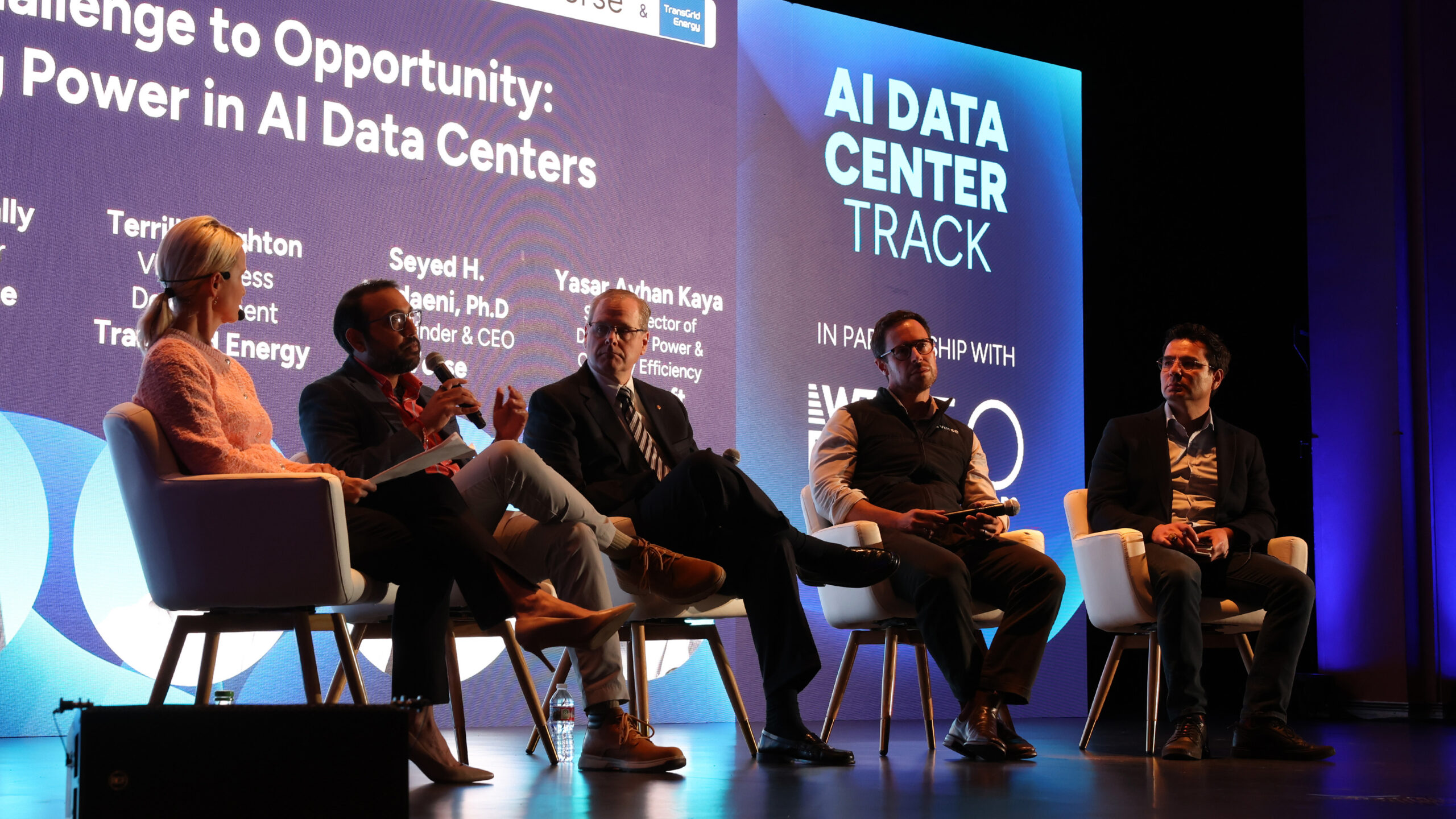
In a panel discussion titled “From Challenge to Opportunity: Rethinking Power in AI Data Centers”, Penfold went on to explain that data centers being built in Texas, before transmission infrastructure is fully available, can apply to operate as “provisional controllable load resources”.
“Let’s say you’re building a 200 MW data center, [the first] 100 MW could be firm, the next 100 MW up to your maximum power consumption is non-firm…. What’s going to go down much more frequently is that 100 MW on top.” But for AI data centers performing inference workloads, uptime expectations are now on par with other cloud products.
Service Level Agreements (SLAs) only allow about 8 minutes of downtime a year when it comes to energy-related disruptions. Developers under pressure to meet SLAs, are spiking demand for onsite energy generation to bridge this temporary gap in firm power from the grid. GE Vernova, Siemens Energy, and Mitsubishi all recently reported backlogs for natural gas turbines stretching into the 2030s.
“I would be looking for a diversified solution that would include gas, renewables, BESS [battery energy storage systems] as well as virtual power plant solutions,” explained Terrill Laughton, VP of Business Development at TransGrid Energy, a utility-scale energy project developer. Coordinating a distributed network of energy assets, like BESS installed at homes and businesses, to function as a virtual power plant (VPP) when the grid is stressed, is not a new concept. But declining prices for batteries and widespread adoption are making the collective impact of these resources much more significant.
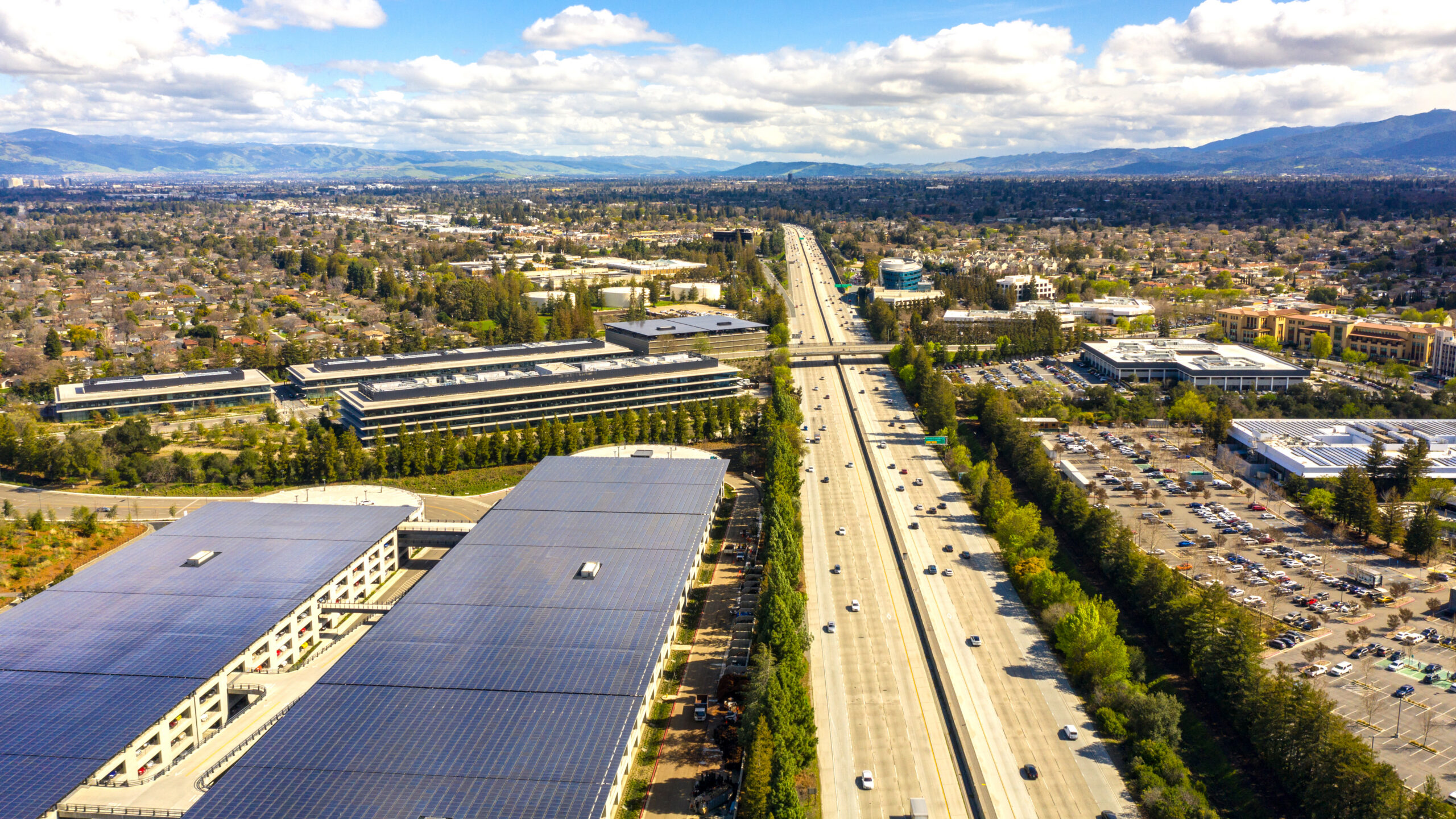
On September 30th, California Governor Gavin Newsom signed SB 905 and SB 913, two bills that encourage the use of VPPs throughout the state. They remove barriers to wholesale energy market participation and create a new “grid utilization metric” the California Public Utilities Commission could use to require existing distributed assets be leveraged instead of more costly grid infrastructure upgrades. Better coordinating the state’s 300,000 customers who have installed solar PV and battery energy storage, is being positioned as a way to lower costs for all ratepayers, while adjusting to new fluctuations in supply and demand.
Global Services, Local Impact
When new AI data centers do get to the point of powering on, how local communities are impacted is another significant challenge. “There is increasing scrutiny of data centers and how they are leveraging the resources they are pulling on,” commented Vijay Gadepally, Cofounder of Bay Compute, a software startup focused on power efficiency in data centers. “The impact of AI is very global but the resources it uses to do that are very local.”
With inflation a persistent kitchen table issue in the U.S., climbing electric bills do not go unnoticed. After one of the hottest summers on record, Bank of America found that utility bill payments rose on average 5.3% year-over-year in August, outpacing inflation.
“When we go five years from now, we can’t look back and say that the rate payers have borne the cost of all of this expansion,” Laughton later commented on AI’s impact to communities. “We have to be able to prove that the data centers have borne their fair share of the cost…. Otherwise, all the negative press that we’re getting right now, is just going to get worse.”
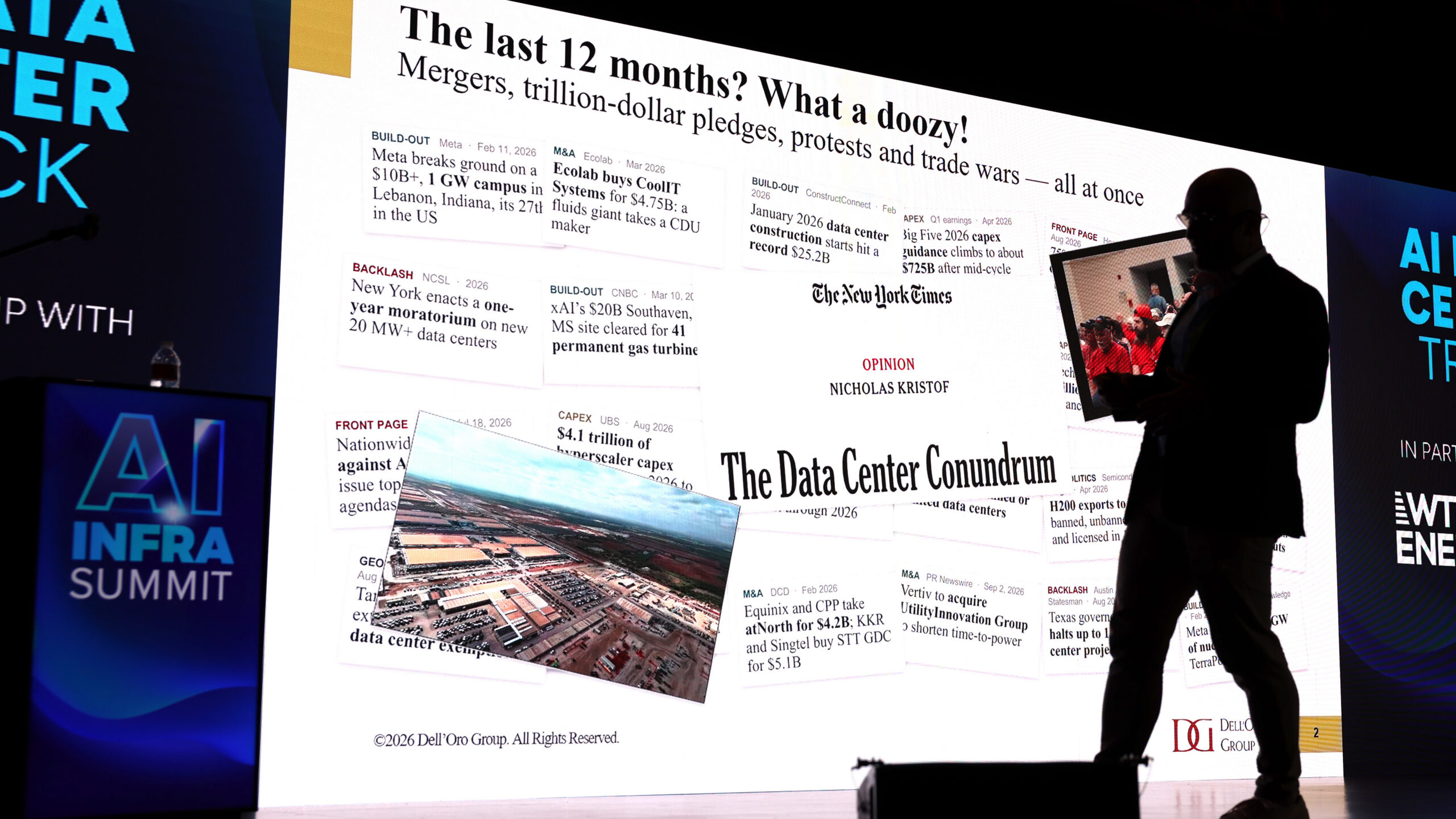
Throughout the country, city council chambers have been filled with angry residents protesting new data centers, fearing higher energy costs, water shortages, noise, and air pollution. In response, at the conference, representatives from Microsoft said the company is moving to closed-loop cooling systems for its data centers to avoid the issue of water altogether — even when it’s abundant in certain regions.
For all the attention AI is getting nationally with loud and influential CEOs evangelizing about the inevitability, scale, and (most recently) the dangers of what they are selling; this conference felt more grounded in the realities of building the infrastructure required. The age-old problems of predicting demand, preparing supply chains, and navigating regulations and community input were front and center.
At the same time, it was clear some industry veterans were still adjusting to flashes of spotlight and scrutiny they were not used to. Lying low is no longer a viable PR strategy for data center developers. And hyperscalers, clearly need to check their “move fast and break things” culture when it comes to community impact and shared resources.
Author
Published
Do you have questions? Or a pressing deadline?
We're ready with answers and prompt creative solutions.