
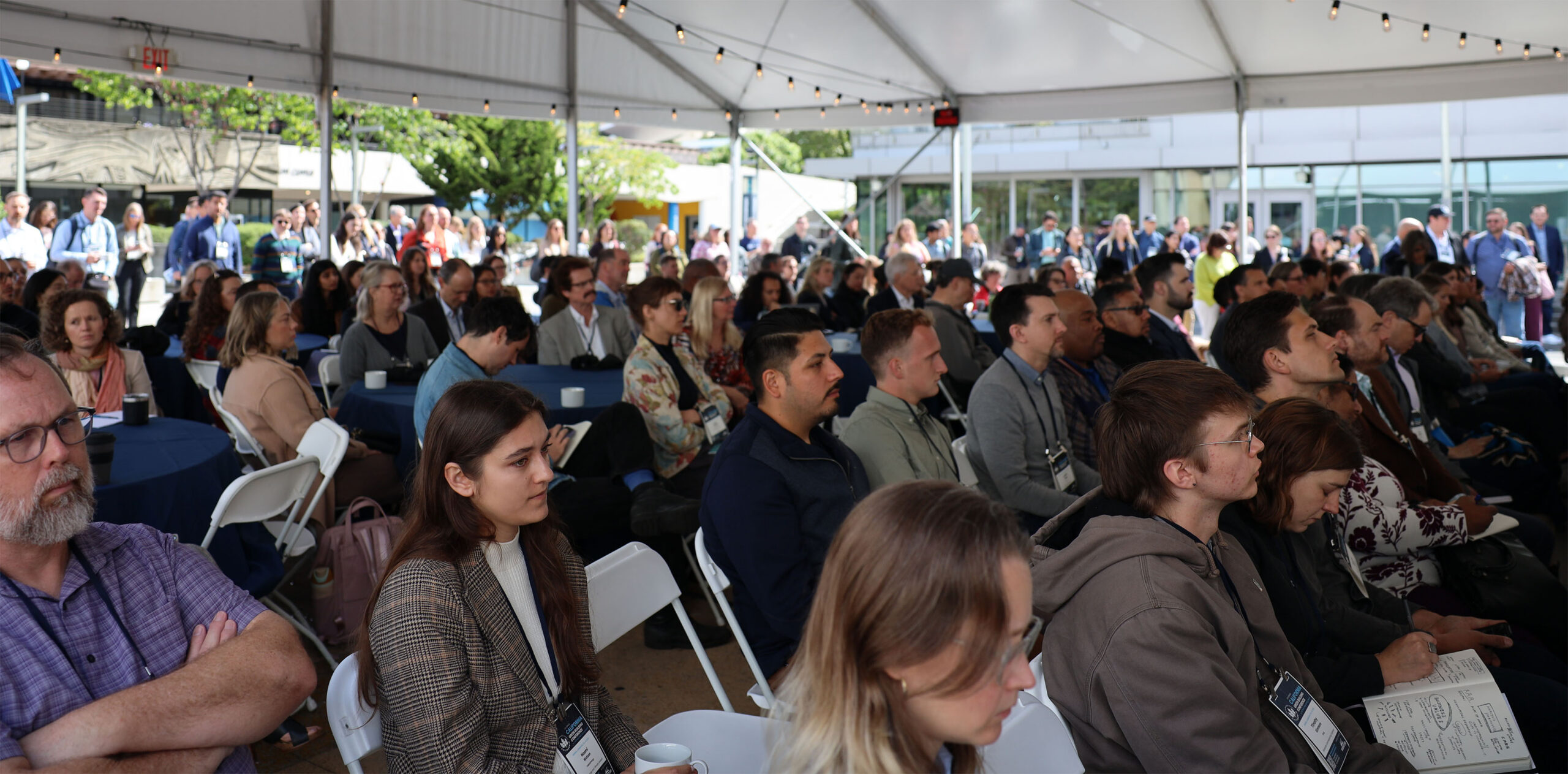
If you’re sapped by the online doom-and-gloom on jobs, climate, and politics lately, it’s time to log off and get an infusion of real life at your favorite industry gathering. I found mine at the 2026 California Green Building Conference at UC Berkeley, which offered evidence-based optimism about resilient, sustainable buildings, job equity, and our collective capacity to get things done.
It can be hard to keep up with the latest technology, policy and business news while staying focused on the stakeholders that matter. After all, the businesses and communities that are making the world better aren’t always the ones making big headlines. As a reality check, it’s important for us at NAVAJO to get out regularly, to meet changemakers in the flesh, particularly at conferences in our key practice areas, such as sustainable infrastructure, cloud services and cybersecurity.
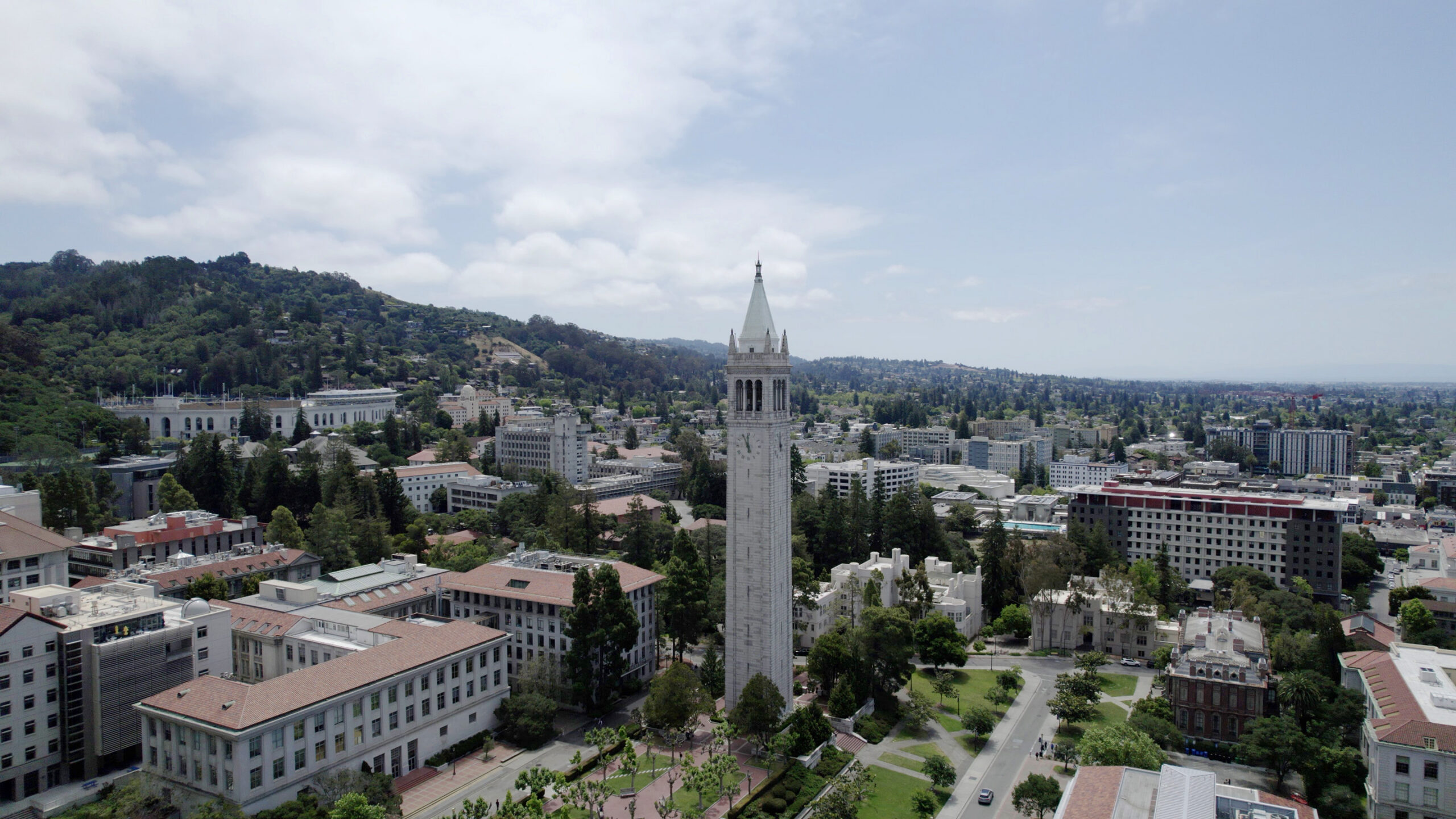
On my latest foray, I took BART to the 2026 California Green Building Conference at UC Berkeley. Hosted by the U.S. Green Building Council of California (USGBC-CA), the two-day conference brought together professionals—and aspiring professionals—in architecture, design, engineering, construction, development, manufacturing, policy, education, and community leadership. The idea was not just to inspire, but to empower and transform with proof that despite the economic, social and political headwinds, meaningful progress is being made.
For readers in the sustainable energy and infrastructure space who weren’t at the conference, here are three mission-affirming takeaways:
1. There’s a Lot of Doing Going On
In his opening remarks, USGBC California CEO Ben Stapleton shared that regional council leadership has driven a 55% growth in partnerships, workforce engagements, learning and content across the state. In contrast with the sense of sustainability fatigue prevailing in the mainstream media, Stapleton reported that the council’s work reached more than half a million in 2025. “We saw new leaders emerging, new partnerships forming,” he said. “We saw communities engage and people choosing to build together and not walking away.”
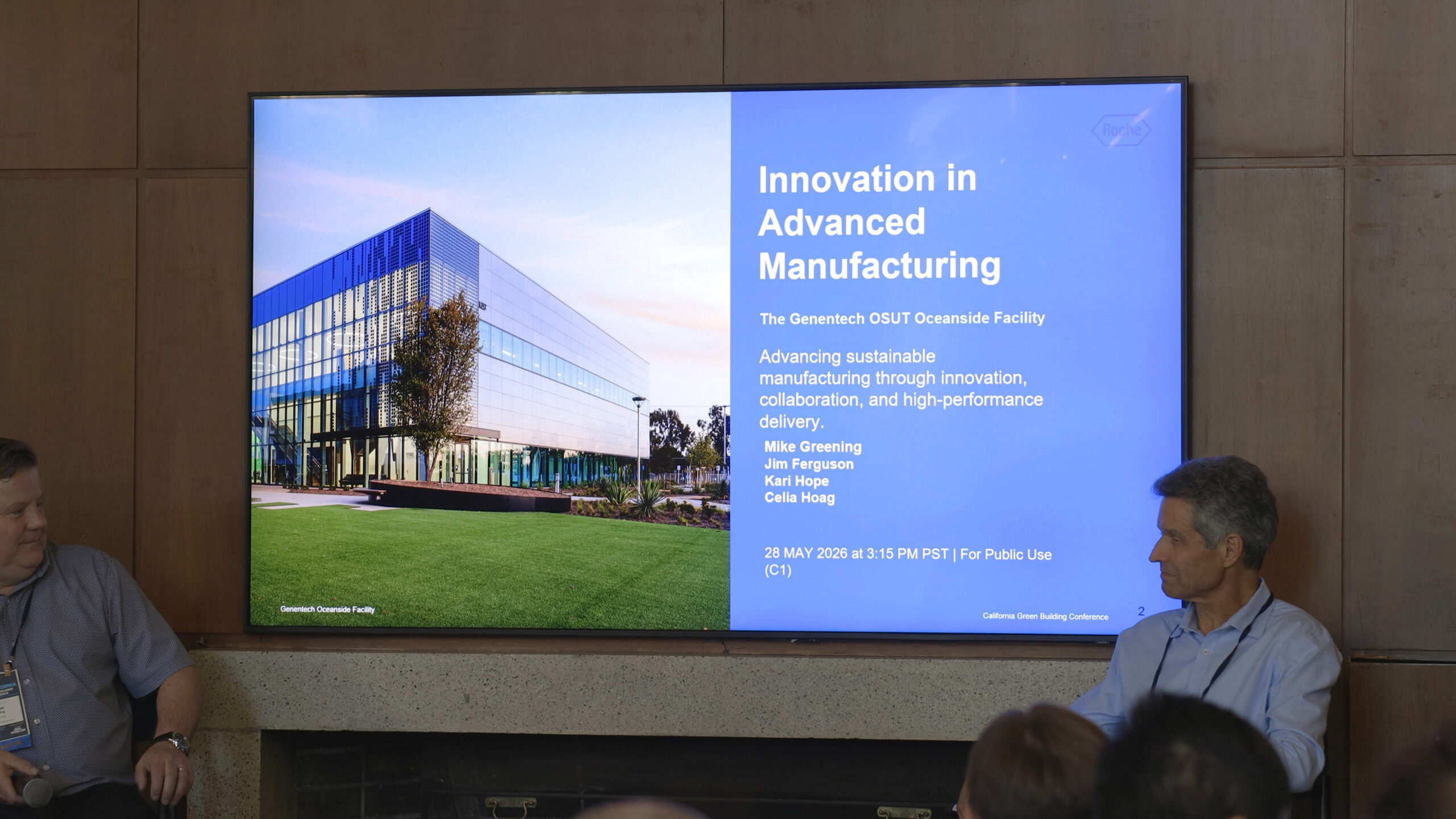
After 25 years of raising awareness about the various impacts of climate change, the USGBC-CA is now helping the state usher in a “decade of doing,” according to Stapleton. And there were plenty of doers represented at the conference. In one session, I learned how biotechnology company Genentech, together with DPR Construction and others, are making strides towards ambitious decarbonization goals through LEED Platinum certification of a new manufacturing facility in Oceanside. In another session, California’s Department of General Services (DGS) shared how they are auditing state-run facilities and working with energy services companies to improve operational efficiencies.
Meanwhile, in the exhibition hall, companies like Beneficial State Bank talked to us about how they support green lending. And technology providers like Measurabl touted their platforms to help monitor and track progress across real estate portfolios.
What stood out to me was the interdisciplinary nature of the conference: It brought together the full range of stakeholders: real estate developers, builders, technology providers, regulators, community advocates, and more. That mirrors the highly integrated and complex way this industry actually moves forward. Where the daily media stream might position the various interests in conflict, here they were in conference—literally.
2. This Green Building Boom is for the People, by the People
One of the non-profits—the Rising Sun Center for Opportunity—made an unforgettable impression. In her keynote speech, Rising Sun president and CEO Julia Hatton urged attendees to think about “not just what we build, but who builds it.”
Rising Sun blends the important goals of workforce development, climate-sustaining development and social justice through several programs. The Opportunity Build initiative provides hands-on training and job placement in the construction trades. Another program, Climate Careers, employs California youth to help people in their community explore careers in green industries.
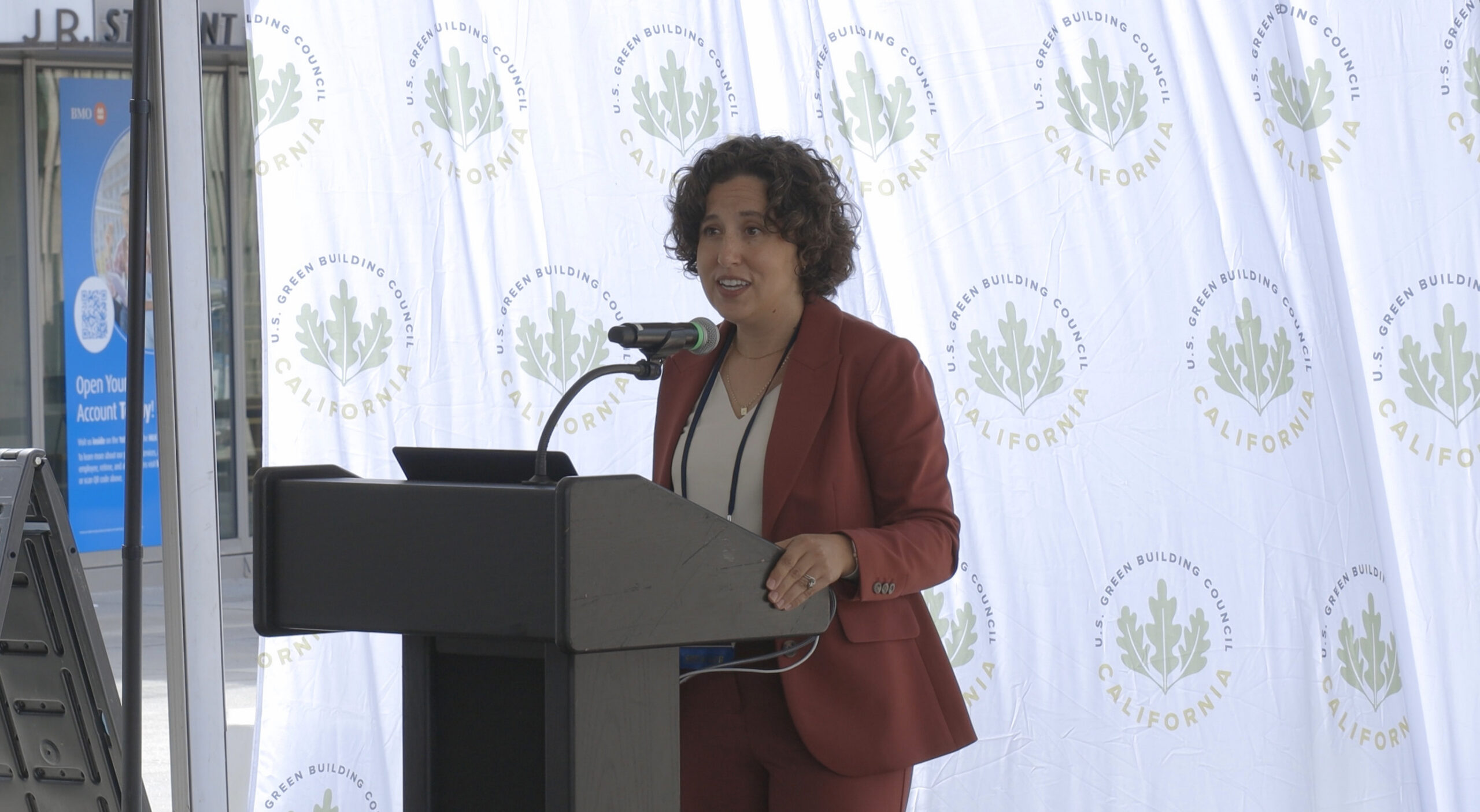
Sharing her personal experience in Connecticut addressing energy efficiency in the most vulnerable communities, Hatton underscored the disconnect between the way decision makers discussed climate change and the real-world experiences of those who felt the impact the most. “Climate change was not a future or scientific problem for these folks,” she recalled. “It was a right-now, everyday problem. We were talking about polar bears and politics and greenhouse gas emissions, while people just wanted their power back on and a safe affordable place to live.”
Hatton advised the conference attendees to communicate about solutions in a way that makes sense based on what people experience in their daily lives. “Instead of talking about rebates, ROI and technology,” she said, “talk about health, safety and affordability.”
Enabling the people most impacted by climate change to reap the rewards of the green economy also means enabling them to participate meaningfully in the green labor market. Hatton believes it is possible to create construction jobs that are good for the environment, the economy and society. “When we hire local people and offer them good wages and benefits, contractors can hire and retain great talent, energy savings increase and persist, individuals build economic power, the local economy grows, and the racial wage gap disappears. And the work gets done at the scale and the quality that we need it to save the planet.”
3. We are Still Globally Connected
Although USGBC-CA is a state-focused organization, neither California—nor the U.S. for that matter—thrives in isolation. At the conference, Global Urban Development (GUD) showed how people on a mission to solve real-world sustainability problems can do phenomenal work across borders. For the past quarter of a century, GUD has been working to connect people in 65 countries to promote sustainable and inclusive economic growth and development strategies.
GUD’s showcase project was EnergyNet, a decentralized network of smart microgrids that enables the sharing of electricity between buildings. It is the brainchild of tech entrepreneur Jonas Birgersson, who also brought fixed-rate broadband to Sweden in 1998. Using an Energy Protocol (EP) to manage the energy exchange between microgrids, EnergyNet has the potential to revolutionize the electricity grid in the same way the Internet Protocol (IP) transformed telecommunications.
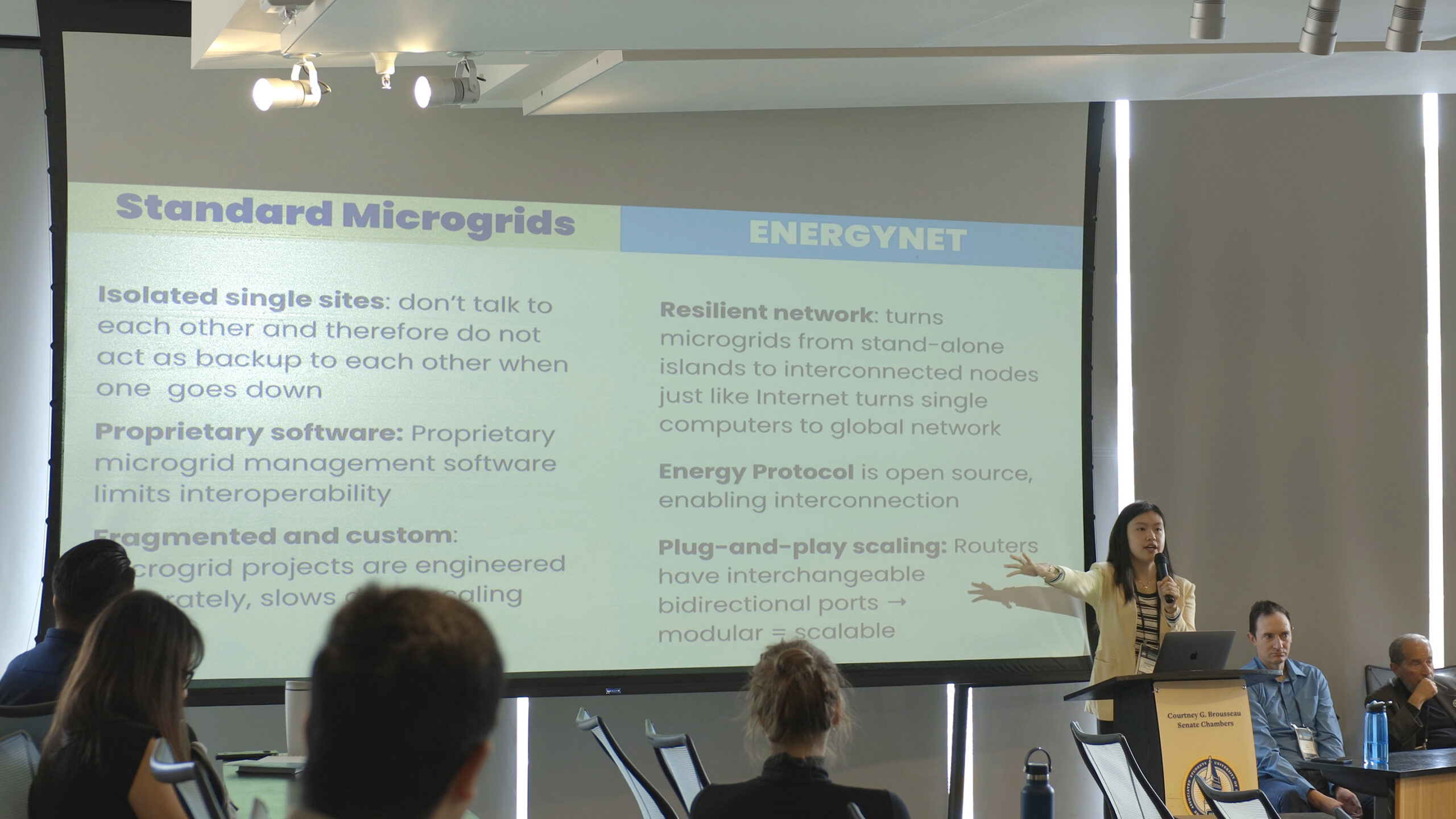
At the conference, we saw how EnergyNet has been implemented in Lund, Sweden, one of GUD’s Innovation Zones. The project features ten buildings in a ring topology, each with a 900 VDC microgrid including solar PV generation, battery energy storage, and an energy router that connects the microgrids and manages the transactions between them. The entire network also has two connections to the public grid. GUD plans to implement an EnergyNet backbone in Sävja, a suburb of Uppsala, which promises to lower energy costs for residents, reduce grid capacity requirements, and improve returns to developers. Presenters also discussed regulatory barriers to building networks in the U.S., identifying campus settings as having the most immediate potential.
Find Your Next Team Members Here
Grounded as it is in education and workforce development, USGBC-CA could not have picked a more appropriate venue for its annual conference. Not only were UC Berkeley students and faculty members in attendance at the conference, but the event also hosted a California green building career fair, giving students access to opportunities in the clean energy and sustainable design sectors.
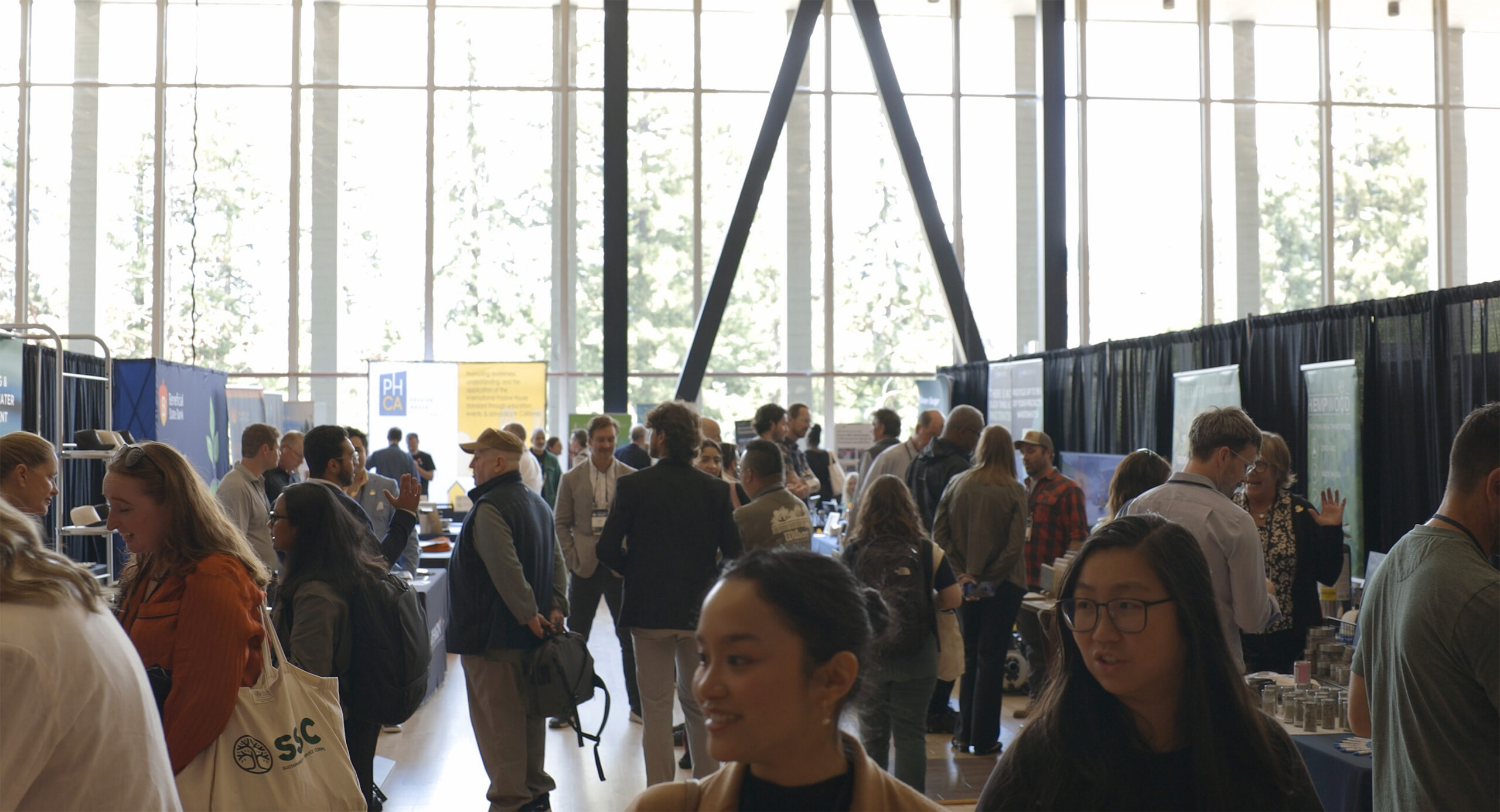
Or, to put it another way, it gave the green building industry access to the next generation of educated and motivated innovators, implementers, and communicators. It’s worthwhile getting out in the real world to meet them. Good vibes to you all!
Author
Published
Do you have questions? Or a pressing deadline?
We're ready with answers and prompt creative solutions.